Burnout or Hormone Imbalance? How to Tell What’s Really Going On
Wondering if you're dealing with burnout or hormone imbalance? Learn how to recognize the key differences, common symptoms, and when it's time to seek help so you can start feeling like yourself again.


You might call it burnout, but sometimes what feels like emotional exhaustion is actually hormonal imbalance, or both, tangled together.
The tricky part? They look almost identical on the surface. Brain fog. Fatigue. Mood swings. Trouble sleeping. Weight changes. But underneath, the causes and the solutions are very different.
Let’s break down how to tell the difference between burnout and hormone imbalance in a way that’s human, not clinical. You’ll learn what’s really happening in your body, how to spot the signs, and what to do to start feeling like yourself again.
What Burnout Really Is
You wake up tired even after sleeping
You feel detached or numb
You crave caffeine or sugar to get through the day
You’re irritable or anxious for no clear reason
You feel “wired but tired," restless yet exhausted
Burnout isn’t just “being tired.” It’s a chronic state of emotional, mental, and physical exhaustion caused by prolonged stress. It’s your body’s way of saying, “I’ve been running on adrenaline for too long.”
Common burnout triggers:
Overworking or constant multitasking
Emotional stress (work, relationships, caregiving)
Lack of rest or recovery time
Perfectionism and people‑pleasing
Poor boundaries around time and energy
When you’re burned out, your cortisol, the stress hormone, is often out of rhythm. At first, cortisol spikes to help you cope. Over time, it flattens out, leaving you drained and foggy.
Burnout feels like
You wake up tired even after sleeping
You feel detached or numb
You crave caffeine or sugar to get through the day
You’re irritable or anxious for no clear reason
You feel “wired but tired," restless yet exhausted
If this sounds familiar, you can explore nervous system regulation or breathwork for stress relief to start calming your system.
What Hormone Imbalance Really Is
Unexplained fatigue or weight changes
Irregular periods or PMS that’s getting worse
Mood swings or anxiety that fluctuate with your cycle
Brain fog and poor concentration
Low libido or trouble sleeping
Hormones are your body’s chemical messengers, they regulate everything from mood and metabolism to sleep and libido. When they fall out of balance, your body’s rhythm gets disrupted.
Common hormone imbalance triggers
Chronic stress (yes, burnout can cause it)
Poor sleep
Nutrient deficiencies
Birth control or perimenopause
Blood sugar instability
Thyroid dysfunction
Hormone imbalance feels like
Unexplained fatigue or weight changes
Irregular periods or PMS that’s getting worse
Mood swings or anxiety that fluctuate with your cycle
Brain fog and poor concentration
Low libido or trouble sleeping
If you suspect hormones are involved, you can explore estrogen dominance or low progesterone support.
How They Overlap (And Confuse You)
Here’s the kicker: burnout and hormone imbalance feed each other.
When you’re burned out, your cortisol rhythm gets disrupted. That stress hormone imbalance can throw off your thyroid, estrogen, and progesterone levels. When your hormones are off, your body struggles to regulate stress, making burnout worse.
It’s a loop. And the only way to break it is to address both sides: your stress response and your biological balance.
How to Tell Which One You’re Dealing With
1. Track your symptoms
Write down what you feel and when. If your fatigue, mood swings, or cravings follow a monthly pattern, hormones are likely involved. If your exhaustion feels tied to work, emotional stress, or lack of rest, burnout may be the main culprit.
2. Notice your mornings
Burnout often makes mornings feel impossible — you wake up groggy and dread the day. Hormone imbalance can make mornings unpredictable — sometimes fine, sometimes foggy, depending on your cycle or thyroid.
3. Check your cravings
Burnout = caffeine and sugar cravings for quick energy. Hormone imbalance = salt or carb cravings tied to cortisol or progesterone dips.
4. Observe your cycle
If your symptoms worsen before your period, hormones are likely involved. If they’re constant regardless of your cycle, burnout may be dominant.
5. Get lab work done
A simple blood panel can check thyroid, cortisol, estrogen, progesterone, and iron levels. If you’re unsure where to start, ask your provider for a female hormone panel and thyroid function test.
How to Support Both Burnout and Hormone Health
1. Eat for steady energy
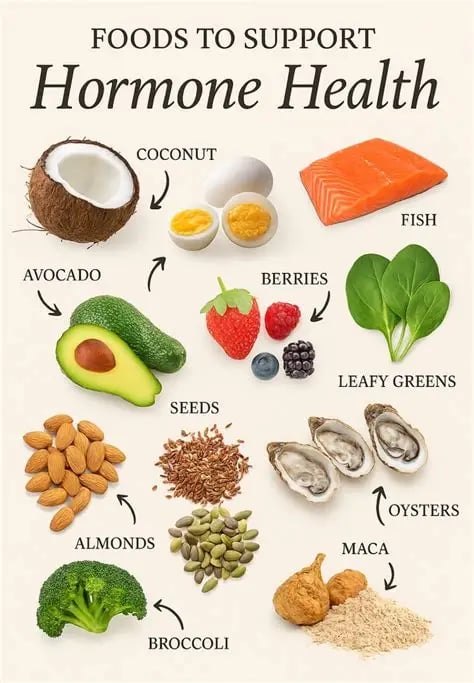
Focus on protein + fiber + healthy fats at every meal. This stabilizes blood sugar and supports hormone production. Try hormone‑friendly breakfasts or snacks that keep energy steady.
2. Manage stress intentionally
You can’t avoid stress, but you can regulate it. Try:
Deep breathing (4‑7‑8 technique)
Short walks outdoors
Journaling for 5 minutes
Saying “no” without guilt
These habits lower cortisol and help your hormones rebalance.
3. Prioritize sleep
Sleep is when your body repairs and regulates hormones. Aim for 7–9 hours, and keep a consistent bedtime. If you struggle, explore sleep hygiene for women.
4. Support your nutrients
Women often need more:
Magnesium (for stress and sleep)
B vitamins (for energy and mood)
Iron (for oxygen and fatigue)
Omega‑3s (for inflammation and hormones)
You can learn more about magnesium for women and B vitamins for energy.
5. Move gently
Exercise helps regulate cortisol and insulin, but overdoing it can worsen burnout. Choose:
Walking
Yoga
Pilates
Strength training 2–3 times a week
Avoid high-intensity workouts if you’re already exhausted; they can spike cortisol further.
Real Talk: You’re Not Lazy — You’re Depleted
Women often blame themselves for feeling tired or unmotivated. But burnout and hormone imbalance aren’t character flaws—they're biological and emotional signals that your body needs care.
You’re not broken. You’re just running on empty.
The fix isn’t pushing harder—it's slowing down, nourishing yourself, and getting the right support.
When to Seek Help
If your fatigue, anxiety, or mood swings have lasted more than a few months, it’s time to talk to a professional. Ask your doctor or a functional medicine practitioner about:
Hormone testing
Thyroid evaluation
Cortisol rhythm testing
Nutritional deficiencies
You deserve answers — and relief.
Finally
Burnout and hormone imbalance can feel like two sides of the same coin. Burnout drains your emotional reserves; hormone imbalance drains your physical ones. Together, they create a perfect storm of fatigue, irritability, and overwhelm.
But once you understand the difference, you can start healing both.
Rest isn’t lazy — it’s medicine.
Balanced meals aren’t indulgent — they’re fuel.
Boundaries aren’t selfish — they’re survival.
You can feel better. You can get your energy back. And you can do it without burning out again.


© 2026. Happy & Human. All rights reserved.
Health Disclaimer
Happy & Human has content that is health-oriented and may contain statistical information. This information is not professional or medical advice. The information on this website is accurate to the best of my knowledge. Readers act at their own risk; I am not liable for any decisions made based on the content of this blog. I reserve the right to edit, delete, or manage blog content at my discretion. They are opinions only. Users should understand that the information provided does not guarantee any specific results or outcomes. Consult a health care professional for any medical advice or treatment.
Curious about the products and little extras I genuinely love? These are all things I’ve personally used and truly recommend. No fluff, just favorites! Click on the “Happy Picks” button below to take a look.
Affiliate Disclaimer
Some of the links on Happy & Human are affiliate links, which means I may earn a small commission if you choose to make a purchase, at no extra cost to you. I only share products I genuinely use, love, or believe can support your wellness journey. Thank you for supporting this space and helping me make sure everyone can get this content.