De-code the secrets of effective skin-care layering
Learn the correct order of skincare layering, expert tips, and real product recommendations to boost results and avoid common mistakes.
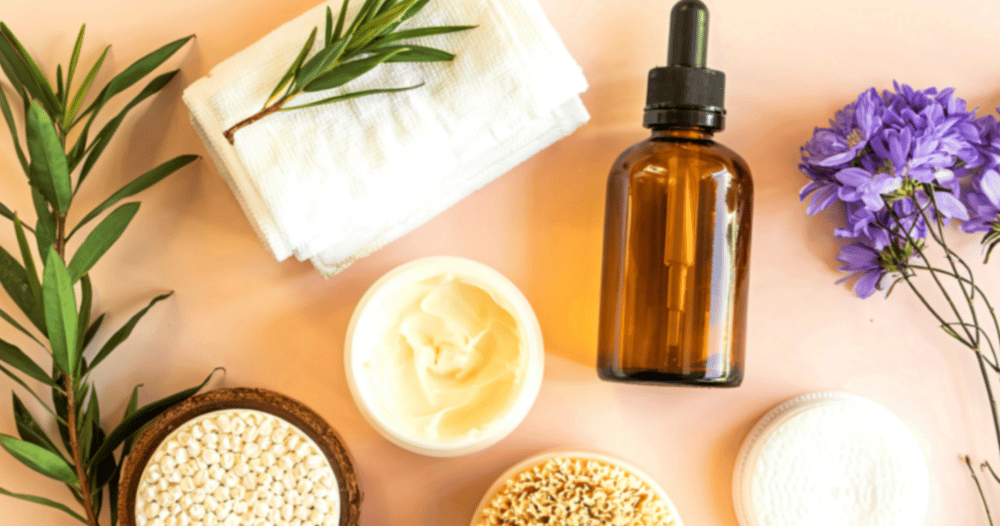
Skincare can feel overwhelming! So many products and new ones coming out everyday. One expert swears by a 12-step routine, another says less is more, and social media constantly pushes the “next miracle product.” The truth?
Great skin doesn’t come from owning the most products—it comes from using the right products in the right order.
That’s where skin-care layering comes in.
If you’ve ever wondered why your expensive serum isn’t working or how to layer products without irritating your skin, this guide will clear everything up. We’ll break down the science behind layering, explain the correct order step by step, and recommend real, effective products you can actually buy.
Let’s decode the secrets of effective skin-care layering—once and for all.
What Is Skin-Care Layering (and Why It Matters)?
Skin-care layering is the practice of applying products in a specific order so each one absorbs properly and works at its full potential.
Your skin can only absorb so much at once. If you apply a thick cream before a lightweight serum, the serum won’t penetrate. If you mix incompatible ingredients, you can cause irritation, breakouts, or wasted money.
Correct layering helps:
Improve product absorption
Prevent pilling and irritation
Maximize active ingredients
Strengthen your skin barrier
Deliver visible results faster
Think of your routine like getting dressed: you wouldn’t put on a coat before your shirt. Skincare works the same way.
The Golden Rule of Skin-Care Layering
Before we dive into the steps, remember this simple rule:
Biggest Rule: Apply products from thinnest to thickest texture.
Water-based products go first. Oil-based and occlusive products go last. This ensures each layer penetrates instead of sitting on top of the skin.
Effective Skin-Care Layering
Step 1: Cleanser –Always Start with a Clean Canvas
Cleansing removes dirt, oil, sunscreen, and pollution so your skin can actually absorb the products that follow.
Morning: Use a gentle cleanser
Evening: Double cleanse if you wear makeup or sunscreen
Recommended Products:
CeraVe Hydrating Facial Cleanser (great for dry or sensitive skin)
La Roche-Posay Toleriane Purifying Cleanser (ideal for oily or acne-prone skin)
DHC Deep Cleansing Oil (excellent first cleanse for makeup removal)
Tip: Harsh cleanser strip your skin barrier and sabotage your entire routine. Gentle always wins!
Step 2: Toner – Prep and Balance
Modern toners are nothing like the alcohol-heavy formulas of the past. Today’s toners hydrate, soothe, and help your skin better absorb serums. Toner is a non-negotiable.
Why toner matters:
Restores skin’s pH balance
Adds a first layer of hydration
Prepares skin for active ingredients
Recommended Products:
Paula’s Choice Enriched Calming Toner
Klairs Supple Preparation Unscented Toner
Thayers Alcohol-Free Rose Petal Toner
Tip: Apply toner on a clean cotton pad—gently, never aggressively.
Step 3: Essence – The Hydration Booster (Optional but Powerful)
Essences are lightweight, watery products that deeply hydrate and improve skin texture over time.
This step is especially popular in Korean skincare routines and works beautifully for dull or dehydrated skin.
Recommended Products:
COSRX Advanced Snail 96 Mucin Power Essence
SK-II Facial Treatment Essence
Tip:Pat gently into the skin—don’t rub.
Step 4: Serums – Target specific skin concerns
This is where the magic happens. Serums contain high concentrations of active ingredients designed to address specific concerns like acne, aging, dark spots, or dehydration.
How to Layer Multiple Serums:
Water-based serums first
Oil-based serums last
Use 1–2 serums per routine (more isn’t better)
Popular Serum Types & Products
Vitamin C (Morning Glow & Protection)
SkinCeuticals C E Ferulic
La Roche-Posay Pure Vitamin C10
Hyaluronic Acid (Hydration)
The Ordinary Hyaluronic Acid 2% + B5
Vichy Minéral 89
Niacinamide (Oil Control & Barrier Support)
The Ordinary Niacinamide 10% + Zinc 1%
Paula’s Choice 10% Niacinamide Booster
Retinol (Nighttime Anti-Aging)
CeraVe Resurfacing Retinol Serum
The Ordinary Retinol 0.5% in Squalane
⚠️ Important: Avoid using retinol and vitamin C in the same routine unless you’re experienced.
Step 5: Eye Cream – Target the most delicate area
The skin around your eyes is thinner and more fragile, which means it needs specialized care.
Recommended Products:
CeraVe Eye Repair Cream
Kiehl’s Creamy Eye Treatment with Avocado
The Inkey List Caffeine Eye Cream
Tip: Lightly tap eye cream product into skin.
Step 6: Moisturizer – Lock it in
Moisturizer seals all previous layers and strengthens your skin barrier. No matter your skin type, everyone needs a moisturizer.
Recommended Products:
Neutrogena Hydro Boost Water Gel (oily skin)
CeraVe Moisturizing Cream (dry or sensitive skin)
First Aid Beauty Ultra Repair Cream (compromised skin barrier)
Step 7: Facial Oil (Optional) – Seal and Nourish
Facial oils are always optional BUT a bonus as well, meaning they seal in moisture. They should always come after moisturizer.
Recommended Products:
The Ordinary 100% Organic Cold-Pressed Rose Hip Seed Oil
Sunday Riley Juno Antioxidant Face Oil
Tip: Best for nighttime or very dry skin types.
Step 8: Sunscreen – The MOST Important Morning Step
If you do nothing else for your skin, wear sunscreen daily. It protects against premature aging, dark spots, and skin cancer.
Recommended Products:
EltaMD UV Clear Broad-Spectrum SPF 46
La Roche-Posay Anthelios Melt-in Milk SPF 60
Supergoop! Unseen Sunscreen SPF 40
Tip: Apply sunscreen last in the morning routine—always.
Morning vs. Night skin-care Layering
Morning Focus:
Protection
Hydration
Antioxidants
Sunscreen
Night Focus:
Repair
Cell turnover
Active treatments (retinol, exfoliants)
Fact: Your skin heals itself while you sleep—don’t skip nighttime care.
Common Skin-Care Layering Mistakes to Avoid
Using too many actives at once
Applying products too quickly without letting them absorb
Skipping sunscreen
Mixing incompatible ingredients
Over-exfoliating
Tip: Wait 30–60 seconds between layers for optimal absorption.
You can customize layering for your skin type
Oily Skin:
Stick to lightweight, gel-based products and limit oils.
Dry Skin:
Focus on hydrating toners, essences, and richer creams.
Sensitive Skin:
Use fewer steps, fragrance-free products, and patch test everything.
Acne-Prone Skin:
Incorporate salicylic acid or niacinamide, but avoid over-layering.
Final Thoughts: Skin-Care Layering Made Simple
Effective skin-care layering isn’t about copying someone else’s routine—it’s about understanding your skin and giving it what it needs in the right order.
When done correctly, even a simple routine can transform your skin. Start slow, stay consistent, and remember: healthy skin is a marathon, not a sprint.
Your skin will thank you!
© 2026. Happy & Human. All rights reserved.
Health Disclaimer
Happy & Human has content that is health-oriented and may contain statistical information. This information is not professional or medical advice. The information on this website is accurate to the best of my knowledge. Readers act at their own risk; I am not liable for any decisions made based on the content of this blog. I reserve the right to edit, delete, or manage blog content at my discretion. They are opinions only. Users should understand that the information provided does not guarantee any specific results or outcomes. Consult a health care professional for any medical advice or treatment.
Curious about the products and little extras I genuinely love? These are all things I’ve personally used and truly recommend. No fluff, just favorites! Click on the “Happy Picks” button below to take a look.
Affiliate Disclaimer
Some of the links on Happy & Human are affiliate links, which means I may earn a small commission if you choose to make a purchase, at no extra cost to you. I only share products I genuinely use, love, or believe can support your wellness journey. Thank you for supporting this space and helping me make sure everyone can get this content.