GLP-1 Alternatives: What Actually Works (and What’s Just Hype)
Looking for GLP-1 alternatives? Discover what actually works, what's just hype, and the science behind natural and medication-free options for healthy, sustainable weight loss.
LIFESTYLE AND DAILY HABITS

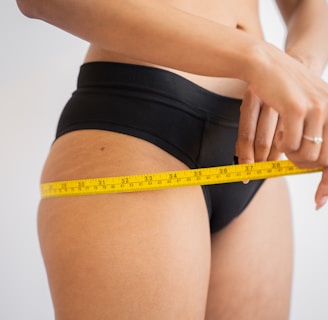
If you've spent even a few minutes on social media lately, you've probably seen someone talking about Ozempic, Wegovy, Mounjaro, or the latest "natural GLP-1 booster." It seems like everyone is either taking a GLP-1 medication or trying to sell an alternative that supposedly works just as well.
So what's the truth?
Are there actually effective GLP-1 alternatives, or is most of the internet just jumping on the latest wellness trend?
The short answer is this: Yes, there are evidence-based alternatives that can support weight loss, blood sugar control, and appetite regulation—but none of the over-the-counter products work exactly like prescription GLP-1 medications.
That's an important distinction.
In this guide, we'll break down what GLP-1 medications actually do, which alternatives are backed by science, and which popular products are mostly marketing hype. My goal isn't to convince you one way or another—it's simply to help you separate facts from fiction so you can make the best decision for your own health.
**Please be advised that these are mostly opinions of the author. They do not take the place of seeing a medical physician. Make sure you consult your doctor when considering any changes to lifestyle or your health.**
What Are GLP-1 Medications?
GLP-1 stands for glucagon-like peptide-1, a hormone your body naturally produces after you eat.
This hormone helps:
Slow stomach emptying
Increase feelings of fullness
Reduce appetite
Support healthy blood sugar levels
Help regulate insulin production
Prescription medications like Ozempic, Wegovy, Zepbound, and Mounjaro mimic or enhance these effects, helping many people lose significant amounts of weight while improving blood sugar control.
That's why they've become so popular.
But they're not for everyone.
Some people experience uncomfortable side effects like nausea, constipation, vomiting, or fatigue. Others can't afford them or don't qualify for a prescription.
That's where the search for GLP-1 alternatives begins.
Can Anything Really Replace GLP-1 Medications?
Here's where honesty matters.
No supplement can perfectly replicate a prescription GLP-1 medication.
If a product promises to work "just like Ozempic," that's a major red flag.
However...
Several lifestyle changes, foods, and supplements can support some of the same biological pathways by helping you:
Feel fuller longer
Control cravings
Improve insulin sensitivity
Reduce blood sugar spikes
Support sustainable weight loss
The results usually aren't as dramatic—but they're often healthier, more affordable, and easier to maintain long-term.
What Actually Works
Let's start with the options that have real evidence behind them.
1. Eating More Protein
This might sound boring compared to flashy supplements, but increasing protein intake is one of the most effective appetite-control strategies available.
Protein naturally increases satiety hormones, helping you stay full for longer after meals.
It also helps preserve muscle during weight loss, which is incredibly important for women over 30.
Aim to include protein with every meal.
Great choices include:
Greek yogurt
Eggs
Chicken
Turkey
Cottage cheese
Fish
Tofu
Lentils
Protein smoothies
Many women notice they're snacking far less simply by increasing protein at breakfast.
2. Fiber (Especially Soluble Fiber)
Fiber deserves much more attention than it gets.
Soluble fiber absorbs water and forms a gel inside your digestive tract, slowing digestion in a way that's somewhat similar to GLP-1 medications.
Benefits include:
Feeling full longer
Better blood sugar control
Improved digestion
Healthier cholesterol levels
Excellent sources include:
Oats
Chia seeds
Flaxseed
Apples
Beans
Pears
Lentils
Vegetables
Psyllium husk supplements also have solid research supporting appetite control and digestive health.
3. Strength Training
If you're trying to lose weight, don't skip the weights.
Building muscle improves insulin sensitivity, increases metabolism, and helps your body use glucose more efficiently.
You don't have to become a bodybuilder.
Even two to four sessions each week can make a noticeable difference over time.
Muscle is one of the most powerful tools you have for long-term metabolic health.
4. Walking After Meals
This simple habit is surprisingly effective.
Even a 10-20 minute walk after eating can help:
Reduce blood sugar spikes
Improve insulin sensitivity
Aid digestion
Support weight management
Sometimes the smallest habits end up making the biggest difference.
5. Better Sleep
Sleep affects nearly every hormone involved in hunger.
When you're sleep-deprived:
Ghrelin (your hunger hormone) increases.
Leptin (your fullness hormone) decreases.
Cravings become stronger.
Blood sugar regulation worsens.
If you're constantly hungry despite eating enough, your sleep may be playing a bigger role than you realize.
Aim for seven to nine hours whenever possible.
6. Managing Stress
Chronic stress doesn't just affect your mood.
Higher cortisol levels can increase cravings for sugary, high-calorie foods while making fat loss more difficult for some people.
Healthy stress management could include:
Daily walks
Yoga
Meditation
Deep breathing
Journaling
Spending time outdoors
Talking with supportive friends
You don't need to eliminate stress—you need healthy ways to manage it.
What About "Natural GLP-1 Supplements"?
This is where things get confusing.
Many companies now market products as "natural Ozempic" or "GLP-1 boosters."
Let's look at the most common ones.
Berberine
Berberine has been studied for its potential to improve blood sugar and insulin sensitivity.
Some researchers have even compared certain effects to prescription medications for diabetes.
However, the weight loss results are generally modest.
Berberine may be helpful for some people—but it isn't a replacement for GLP-1 medication.
Verdict: Some evidence. Worth discussing with your healthcare provider.
Apple Cider Vinegar
Apple cider vinegar may slightly reduce blood sugar spikes when consumed before meals.
Some people also report feeling fuller.
The effects are relatively small.
It's certainly not a miracle fat burner.
Verdict: Mild benefits, but don't expect dramatic weight loss.
Psyllium Husk
This is one of the more underrated supplements.
Because it expands with water, it helps promote fullness while improving digestive health.
Many people also experience better cholesterol levels and improved regularity.
Verdict: Strong evidence for digestive health and appetite support.
Green Tea Extract
Green tea contains antioxidants and caffeine that may provide a very small boost in calorie burning.
The keyword here is small.
It isn't going to melt away body fat.
Verdict: Helpful for some people, but expectations should stay realistic.
Probiotics
Your gut microbiome influences many aspects of health, including digestion and metabolism.
Some probiotic strains appear promising.
However, probiotics aren't magic weight loss pills.
They're best viewed as part of an overall healthy lifestyle.
Verdict: Potential benefits for gut health—not a standalone weight-loss solution.
What's Mostly Hype?
Unfortunately, social media has made it difficult to know what's real.
Here are some products that deserve a healthy dose of skepticism.
"Natural Ozempic"
No herb, vitamin, or supplement works exactly like Ozempic.
If someone says otherwise, they're exaggerating.
Skinny Gummies
Most contain:
Caffeine
Fiber
Laxatives
Sweeteners
Weight loss from laxatives is simply water loss—not fat loss.
Fat Burning Teas
Many detox teas rely on stimulant ingredients or laxatives.
You may see the number on the scale go down temporarily, but that's not sustainable fat loss.
Overnight Fat Burners
Your body doesn't suddenly burn pounds of fat while you sleep because of a pill.
If it sounds too good to be true...
It probably is.
The Lifestyle Combination That Works Best
Here's something many people overlook.
Instead of searching for one miracle solution, combine several evidence-based habits.
For example:
Eat more protein.
Increase fiber intake.
Lift weights two to four times weekly.
Walk after meals.
Prioritize sleep.
Manage stress.
Stay hydrated.
Focus on whole foods most of the time.
These habits work together to support many of the same goals people are hoping GLP-1 medications will help them achieve.
The progress may be slower, but it's often more sustainable.
Who Might Consider Prescription GLP-1 Medications?
Lifestyle changes are incredibly important, but they're not always enough.
For some individuals—especially those with obesity, type 2 diabetes, or certain metabolic conditions—a healthcare provider may recommend a GLP-1 medication as part of a broader treatment plan.
There's no shame in using medication if it's appropriate for your situation.
Likewise, there's no shame in choosing not to.
Health isn't one-size-fits-all.
The best approach is the one that's safe, sustainable, and tailored to your individual needs.
Frequently Asked Questions
-What is the best natural alternative to GLP-1 medications?
There isn't one single natural alternative that works exactly like prescription GLP-1 drugs. However, a combination of higher protein intake, fiber-rich foods, regular exercise, quality sleep, and stress management offers the strongest evidence for naturally supporting appetite control and metabolic health.
-Does berberine work like Ozempic?
Berberine may help improve blood sugar regulation and insulin sensitivity, but it does not produce the same effects or the same degree of weight loss seen with prescription GLP-1 medications.
-Are GLP-1 supplements worth buying?
Some supplements, like psyllium husk or berberine, may provide modest benefits for certain people. Be cautious of products marketed as "natural Ozempic" or promising dramatic weight loss, as those claims are often exaggerated and not supported by strong scientific evidence.
-Can you naturally increase GLP-1?
Certain habits—such as eating protein, consuming more fiber, exercising regularly, and maintaining a healthy weight—may support your body's natural GLP-1 response. While these strategies can be beneficial, they won't produce the same effects as prescription medications.
Finally
It's completely understandable why so many people are searching for GLP-1 alternatives. These medications have changed the conversation around weight loss, but they're not the only path to improving your health.
If you're looking for sustainable results, focus on habits that have stood the test of time: eating more protein and fiber, moving your body regularly, getting enough sleep, managing stress, and being skeptical of products that promise effortless weight loss.
The truth is, there's no miracle pill hiding on a supplement shelf. But there are practical, science-backed strategies that can help you feel fuller, support your metabolism, and build a healthier lifestyle—one step at a time.
Progress doesn't have to be perfect to be meaningful. Small, consistent changes often add up to the biggest transformations.
© 2026. Happy & Human. All rights reserved.
Health Disclaimer
Happy & Human has content that is health-oriented and may contain statistical information. This information is not professional or medical advice. The information on this website is accurate to the best of my knowledge. Readers act at their own risk; I am not liable for any decisions made based on the content of this blog. I reserve the right to edit, delete, or manage blog content at my discretion. They are opinions only. Users should understand that the information provided does not guarantee any specific results or outcomes. Consult a health care professional for any medical advice or treatment.
Curious about the products and little extras I genuinely love? These are all things I’ve personally used and truly recommend. No fluff, just favorites! Click on the “Happy Picks” button below to take a look.
Affiliate Disclaimer
Some of the links on Happy & Human are affiliate links, which means I may earn a small commission if you choose to make a purchase, at no extra cost to you. I only share products I genuinely use, love, or believe can support your wellness journey. Thank you for supporting this space and helping me make sure everyone can get this content.