HPV Vaccine 101: what parents should know
Learn how the HPV vaccine protects against cervical cancer and more. A friendly, clear guide to HPV prevention and vaccine benefits for everyone.
WOMENS EDUCATION
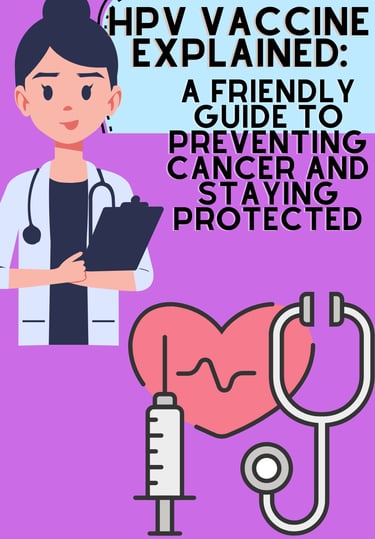
If you had one simple, well‑tested tool to prevent several types of cancer, would you use it? That’s the HPV vaccine in a nutshell. It’s not flashy, but it works. Think of it as a small shield given early that can spare someone years of worry, invasive tests, or worse.
Let’s talk through why the HPV vaccine matters, what the numbers actually mean in everyday life, and how to bring it up with your family or friends, in simple, down‑to‑earth language that makes sense.
What Is HPV and Why Should You Care?
HPV stands for human papillomavirus. It’s incredibly common, almost everyone who’s sexually active will have some form of it at some point. Most of the time, your body quietly clears the infection without you ever knowing it happened. But some types of HPV are trickier. They hang around and can lead to precancers or cancers down the road, including cervical, anal, throat, vulvar, vaginal, and penile cancers.
Others cause genital warts, which aren’t dangerous but can be uncomfortable and emotional to deal with. Because HPV spreads easily and silently, prevention through vaccination helps everyone, it’s not just an individual choice but a community‑wide investment in health.
HPV Prevention in Everyday Terms: The Numbers That Actually Matter
Let’s put the statistics into a picture you can visualize:
• About 7 out of 10 cervical cancers are caused by just two HPV types, 16 and 18. Imagine 10 women with cervical cancer; about seven of them could have avoided it if they’d had protection against those strains. The good news? The vaccine directly targets those types.
• HPV is behind an estimated 35,000 cancers in the U.S. every year. Picture a football stadium full of people, that’s roughly how many lives are affected by HPV‑related cancers annually.
• Vaccinating before exposure can prevent almost all related pre-cancers. In real‑world terms, if 100 people were at risk for an HPV‑linked pre-cancer, vaccination could prevent nearly all those cases.
• In countries with strong vaccination programs, HPV infections dropped dramatically. In some places, high‑risk HPV infections plummeted by over 80% within just a few years — nearly eliminating the root cause of many cervical abnormalities.
That’s not just a number — that’s fewer biopsies, fewer surgeries, fewer people walking into a doctor’s office to hear the word cancer.
Who Should Get the HPV Vaccine?
The HPV vaccine isn’t just for girls, it’s for everyone.
Here’s the short version:
• Recommended age: 11–12 years old is ideal, but it can start as early as age 9.
• Why preteens? Their immune systems respond more strongly, and they haven’t been exposed to HPV yet.
• For all genders: Women, men, and people of all gender identities benefit — because HPV can affect different parts of the body.
• Catch‑up vaccination: It’s routinely recommended up to age 26.
• Ages 27–45: It may still help after a chat with your doctor, depending on health history or risk level.
• Over 45: It’s generally not recommended, as most people have already been exposed by that age.
If your child starts the HPV vaccine before turning 15, they usually only need two shots, spaced several months apart. Teens and adults starting at 15 or older, or anyone with certain immune issues, need three doses. That’s it, a simple series that can prevent years of uncertainty later.
Why Giving It Earlier Matters
Think of vaccination like locking your door before a storm. Once HPV enters the picture, the vaccine can’t remove it, it can only protect against infection before it arrives.
This is why giving it early, even before dating or sexual activity begins, makes the most sense. The immune system in younger adolescents is powerful; it builds stronger, longer‑lasting protection with fewer doses.
It’s prevention at its smartest, protect early, and you’ll thank yourself (or your parents) later.
If you or someone you love has specific medical concerns or conditions, it’s always okay to bring those questions to a healthcare professional. They can walk you through the benefits, any risks, and the ideal timing.
Common Questions Friends Ask
“Isn’t that just for girls?”
Nope! HPV doesn’t discriminate. The HPV vaccine protects everyone from cancers and warts caused by HPV, whether you identify as male, female, or nonbinary.
“Does it encourage kids to be sexually active?”
Research says no — and lots of it. Vaccination has nothing to do with encouraging behavior. It’s simply protection against a common virus; the same way we vaccinate kids against measles or hepatitis before they ever face exposure.
“What about safety?”
The HPV vaccine has been given worldwide for years — with constant safety monitoring. Millions of doses later, research repeatedly shows it’s safe and effective. Most side effects are mild, like soreness or redness at the injection site. Serious side effects are very rare, especially compared to the risks of HPV‑related cancers.
“Is it new?” Not at all. The first HPV vaccine was approved back in 2006. We now have nearly two decades of solid data proving its safety and long‑term effectiveness.
“Why vaccinate if my child isn’t sexually active?”
Because the vaccine prevents infection — it’s protection before exposure. Waiting until later means the body might already have encountered HPV, which reduces the vaccine’s power.
How to Talk to Family or Your Child About It
Conversations about vaccination can feel awkward, especially when anything remotely related to sex is involved. But this one doesn’t need to be. Keep it short, factual, and positive.
You could say something like:
This vaccine helps prevent several kinds of cancer caused by a very common virus. The best time to get it is now, before there’s any chance of exposure.”
You don’t need to over‑explain, the more straightforward you are, the easier it is for your child (or partner, or friend) to hear the message as care, not fear.
If you have family members who still hesitate, share stories rather than statistics:
• A parent relieved they gave their kid protection early.
• A friend who faced abnormal pap results and wished they’d had the vaccine available sooner.
Stories connect where numbers can’t — they create understanding and empathy.
Addressing Common Hesitations About HPV Vaccination.
Let’s tackle some of the biggest reasons people hesitate:
• “It’s too new.” The HPV vaccine has been on the market for nearly 20 years and is backed by extensive research, follow‑up studies, and real‑world results.
• “I heard it can cause infertility.” This myth has been carefully studied — and debunked. The vaccine doesn’t affect fertility; it protects reproductive health by preventing infections that can lead to cancer or serious complications.
• “I’m worried about side effects.” Most people experience only minor effects like arm soreness or light fatigue. Severe reactions are extremely rare, and ongoing monitoring by the CDC and WHO confirms its safety.
• “We didn’t have this vaccine growing up — do adults really need it now?” If you’re under 45, talk to your provider. The vaccine might still provide benefits, especially if you haven’t yet been exposed to all HPV types covered.
It’s perfectly normal to have questions. The key is to get answers from trusted medical sources, not social media buzz. The CDC, American Cancer Society, and World Health Organization all have clear, evidence‑based information about HPV prevention and vaccine safety.
The Bigger Picture, Why It’s Worth Talking About
If you think of health choices as investments, the HPV vaccine might be one of the best low‑effort, high‑return ones you can make. It prevents several serious and emotionally draining cancers, protects people of all genders, and provides stronger community‑level benefits the more of us who participate.
Fewer infections today mean fewer cancers, surgeries, and difficult diagnoses tomorrow. And that’s what prevention is all about — simple steps now for massive benefits later. It’s the kind of conversation that’s worth starting with someone you care about.
Call to Action
If you’re ready to learn more or double‑check whether you or your loved ones are up‑to‑date on HPV vaccination, visit trusted sources like:
• Centers for Disease Control and Prevention (CDC) – HPV Vaccine Info
• American Cancer Society – HPV and Cancer Prevention
Bring this up at your next doctor’s visit, or, better yet, make that appointment today.
Ok I will finish it up by saying that I think that prevention is what truly works. A short series of shots now can mean far fewer health worries later. It’s a simple, science‑backed way to protect your future, and an easy conversation worth having with someone you love.
Centers for Disease Control and Prevention (CDC) – HPV overview: https://www.cdc.gov/hpv/index.html[cdc]
• CDC – HPV vaccination (benefits, who should get it, FAQs): https://www.cdc.gov/hpv/vaccines/index.html[cdc]
• CDC – HPV vaccine recommendations for clinicians (good for parents who want detail): https://www.cdc.gov/hpv/hcp/vaccination-considerations/index.html[cdc]
• CDC – HPV vaccine safety and effectiveness https://www.cdc.gov/hpv/hcp/vaccination-considerations/safety-and-effectiveness-data.html[cdc]
• American Cancer Society – HPV vaccines and cancer prevention: https://www.cancer.org/cancer/risk-prevention/hpv/hpv-vaccines.html[cancer]
• National Cancer Institute HPV vaccine fact sheet: https://www.cancer.gov/about-cancer/causes-prevention/risk/infectious-agents/hpv-vaccine-fact-sheet[cancer]
• Mayo Clinic – “HPV vaccine: Who needs it, how it works”: https://www.mayoclinic.org/diseases-conditions/hpv-infection/in-depth/hpv-vaccine/art-20047292[mayoclinic]
© 2026. Happy & Human. All rights reserved.
Health Disclaimer
Happy & Human has content that is health-oriented and may contain statistical information. This information is not professional or medical advice. The information on this website is accurate to the best of my knowledge. Readers act at their own risk; I am not liable for any decisions made based on the content of this blog. I reserve the right to edit, delete, or manage blog content at my discretion. They are opinions only. Users should understand that the information provided does not guarantee any specific results or outcomes. Consult a health care professional for any medical advice or treatment.
Curious about the products and little extras I genuinely love? These are all things I’ve personally used and truly recommend. No fluff, just favorites! Click on the “Happy Picks” button below to take a look.
Affiliate Disclaimer
Some of the links on Happy & Human are affiliate links, which means I may earn a small commission if you choose to make a purchase, at no extra cost to you. I only share products I genuinely use, love, or believe can support your wellness journey. Thank you for supporting this space and helping me make sure everyone can get this content.