Menopause 101
Learn everything about menopause in women—what it is, when it begins, how to manage menopause symptoms, and ways to support your health, diet, and relationships during this natural stage of life.


Menopause is a natural biological milestone that every woman experiences, yet it can feel confusing, emotional, and even overwhelming. As hormone levels shift, your body begins to transition out of its reproductive years, bringing both physical and emotional changes. Understanding what’s happening—and how to care for yourself—can make menopause in life feel strengthening instead of scary.
What Is Menopause?
Menopause marks the finale of our, you know, periods and fertility. Something that's always in our mind or on our shoulders. So, yes, it is a big deal! Medically speaking, it’s confirmed after 12 months without a period. The average age of menopause is around 51, but it can occur earlier or later depending on your family's genetics, lifestyle, or medical factors.
The years leading up to menopause are called perimenopause, a phase when hormone levels—especially estrogen and progesterone—begin to go up and down like your favorite roller coaster. These hormonal changes cause irregular periods and many of the common menopause symptoms women experience.
When Does Menopause Usually Start?
There’s no single age when menopause begins. However, most women notice the transition between ages 45 and 55. According to the North American Menopause Society, the average age in the U.S. is 51. Early menopause (before age 40) can result from certain medical treatments, surgeries, or genetic factors.
Several factors may influence when menopause begins:
Family history: You’re likely to experience menopause around the same age as your mother or sisters.
Smoking: Women who smoke often reach menopause one to two years earlier than non-smokers.
Health conditions: Autoimmune diseases or treatments like chemotherapy can affect ovarian function.
Understanding these factors helps you prepare and understand symptoms earlier, making it easier to manage changes effectively.
Common Symptoms of Menopause
Menopause symptoms vary in intensity and length, but nearly every woman experiences some form of change. Common symptoms include:
Hot flashes and night sweats are sudden feelings of heat, often followed by chills or sweating.
Mood changes—irritability, anxiety, or low mood due to fluctuating hormones.
Sleep disturbances—difficulty falling or staying asleep.
Weight gain and slower metabolism.
Vaginal dryness and lower sex drive.
Thinning hair or dry skin.
Around 75% of women experience hot flashes during menopause, and roughly 20% report symptoms lasting up to 10 years post-menopause. Although these numbers may sound crappy, being prepared can make symptoms much more manageable.
How to Manage Menopause Symptoms
Caring for your body during menopause requires a natural approach that combines lifestyle adjustments, emotional support, and sometimes medical care. Here are evidence-based strategies to reduce discomfort:
1. Focus on a Healthy Diet
Eating a balanced diet rich in nutrients can help balance hormones and maintain energy levels.
Include whole grains, leafy greens, and lean proteins.
Eat foods high in calcium and vitamin D to protect bone health.
Add phytoestrogens (plant-based estrogens) found in soy, flaxseed, and chickpeas—they may help ease hot flashes naturally.
Limit processed sugar and caffeine, which can worsen mood swings and sleep issues.
2. Stay Physically Active
Regular exercise supports your metabolism, mood, and cardiovascular health.
Aim for 150 minutes per week of moderate activity such as walking, swimming, or yoga.
Strength training helps prevent the bone and muscle loss that often accompanies menopause.
Mindfulness exercises and meditation can reduce stress and improve emotional balance.
3. Prioritize Sleep and Stress Management
Poor sleep is one of the most common challenges during menopause.
Create a calming bedtime routine.
Keep the bedroom cool to reduce night sweats.
Try deep breathing, journaling, or cognitive-behavioral therapy for insomnia.
4. Explore Medical and Natural Treatments
If symptoms interfere with daily life, talk to your healthcare provider about options such as:
Hormone replacement therapy (HRT): Helps balance estrogen and relieve hot flashes, though it may not be suitable for everyone.
Non-hormonal medications: Certain antidepressants or blood pressure medicines can reduce hot flashes.
Herbal remedies: Some women find relief from black cohosh, red clover, or evening primrose oil, though research results vary.
*Always consult your doctor before starting any supplement or therapy*
The Impact of Menopause on Relationships
Menopause doesn’t just affect your body—it can influence your relationships too. Mood swings and decreased sex drive can cause real strain on partners. However, open communication makes a huge difference.
Talk openly with your partner about how you’re feeling.
Seek couples counseling if necessary.
Focus on non-sexual affection, deeper emotional connection, and stress-free time together.
Menopause can also strengthen relationships when shared with honesty and compassion. Supporting each other builds perseverance and understanding through this shared change.
Menopause and Mental Health
The hormonal shifts in menopause can affect mood and emotional wellbeing. Some women experience mild depression or anxiety for the first time during this stage. Recognizing and addressing these changes early is key.
Practical tips include:
Maintaining social connections with friends or support groups.
Practicing meditation or gratitude journaling.
Seeking therapy if mood changes persist.
According to a 2022 study from the Journal of Women’s Health, about 45% of perimenopausal women reported increased anxiety or mood challenges—reminding us that emotional wellness is a vital part of menopause care.
The Role of Diet in Menopause Health
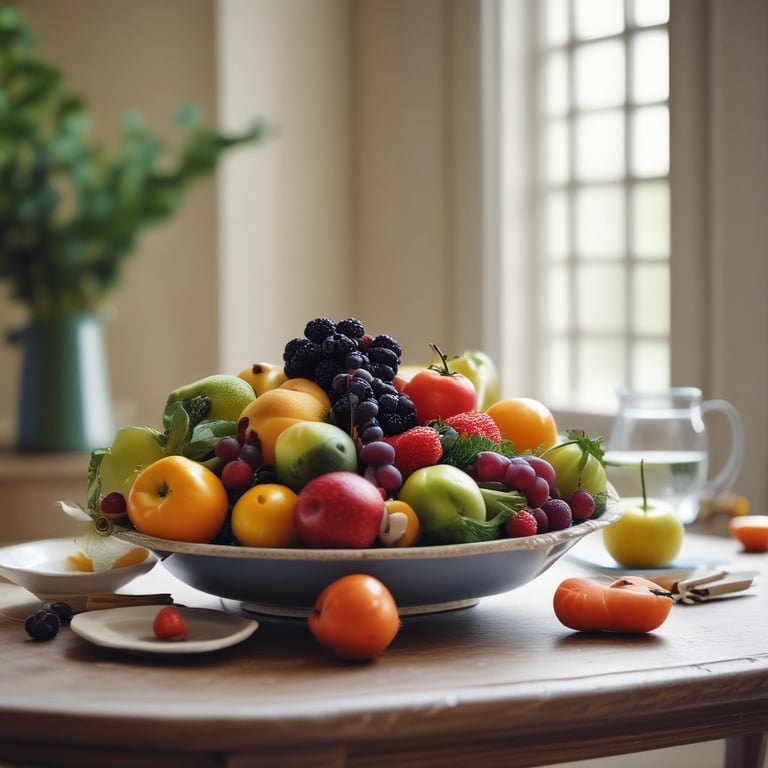
Healthy eating does more than control weight—it can directly affect how you feel during menopause. Along with calcium and vitamin D, women should focus on heart and bone health.
Omega-3 fatty acids (found in salmon, walnuts, chia seeds) can ease inflammation and boost brain health.
Iron-rich foods like lentils and spinach support energy levels, especially as menstruation ends.
Hydration is essential—menopause can cause dryness throughout the body, so aim for 8–10 cups of water daily.
Avoid skipping meals. Balanced nutrition keeps blood sugar stable, improving both energy and mood.
Finding Empowerment Through Menopause
Rather than signaling an “end,” menopause can mark a new beginning. Many women describe this stage as a freeing transition—a time to focus on self-care, confidence, and personal goals.
Reframing menopause as a natural and empowering life chapter helps replace anxiety with self-awareness and appreciation for your body’s resilience.
Final Thoughts:
Every woman’s menopause journey is unique. By staying informed, understanding your body, healthy habits, and seeking support from healthcare providers and loved ones, you can move through this time with strength and confidence.
Menopause isn’t the end of your spark—it’s an invitation to rediscover yourself!
© 2026. Happy & Human. All rights reserved.
Health Disclaimer
Happy & Human has content that is health-oriented and may contain statistical information. This information is not professional or medical advice. The information on this website is accurate to the best of my knowledge. Readers act at their own risk; I am not liable for any decisions made based on the content of this blog. I reserve the right to edit, delete, or manage blog content at my discretion. They are opinions only. Users should understand that the information provided does not guarantee any specific results or outcomes. Consult a health care professional for any medical advice or treatment.
Curious about the products and little extras I genuinely love? These are all things I’ve personally used and truly recommend. No fluff, just favorites! Click on the “Happy Picks” button below to take a look.
Affiliate Disclaimer
Some of the links on Happy & Human are affiliate links, which means I may earn a small commission if you choose to make a purchase, at no extra cost to you. I only share products I genuinely use, love, or believe can support your wellness journey. Thank you for supporting this space and helping me make sure everyone can get this content.