This Is Why Your Energy Isn’t Consistent (And How to Fix It Naturally
Struggling with low or inconsistent energy? Discover the real reasons your energy levels fluctuate and simple, realistic ways to feel more balanced, focused, and energized throughout the day.
WOMENS EDUCATION
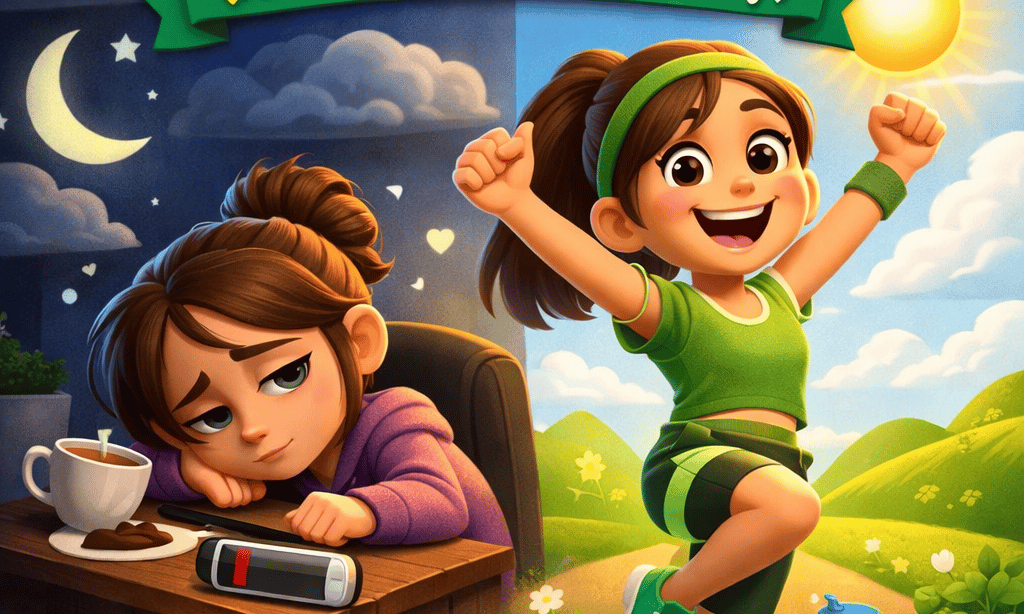
You know that feeling when you wake up motivated, ready to be productive… and then by 2 PM, you feel like a completely different person?
Suddenly you’re tired, unfocused, maybe even a little irritable. You reach for coffee, something sweet, or just try to push through, but it doesn’t really fix it.
Then the next day? It happens again.
If your energy feels unpredictable, high one moment, completely drained the next—you’re not imagining it. And more importantly, it’s not random.
There’s always a reason behind low energy levels, especially when it keeps happening.
The good news? Once you understand what’s causing it, it becomes a lot easier to fix.
Let’s break it down in a way that actually makes sense.
First, Your Energy Isn’t About Willpower
Before we get into the causes, let’s clear something up.
If you’ve been blaming yourself for feeling tired, thinking you’re lazy, unmotivated, or just “not disciplined enough”, that’s not the full picture.
Your energy is largely controlled by:
Your nutrition
Your sleep
Your stress levels
Your hormones
Your daily habits
So when your energy isn’t consistent, it’s usually your body trying to tell you something—not a lack of effort
1. Blood Sugar Spikes and Crashes (The #1 Cause)
This is one of the biggest and most common reasons for inconsistent energy.
If your meals are mostly:
High in sugar
Low in protein
Missing healthy fats
Your blood sugar rises quickly… and then drops just as fast.
That drop is what causes:
Afternoon crashes
Brain fog
Irritability
Cravings for more sugar or caffeine
What helps:
You don’t need to cut everything out; you just need to balance your meals.
Aim to include:
Protein (eggs, chicken, yogurt)
Healthy fats (avocado, nuts, olive oil)
Fiber (veggies, whole grains)
This combination helps stabilize your energy so you don’t feel like you’re constantly running on empty.
2. Too Much Caffeine (And Not Enough Real Fuel)
Coffee feels like the solution, but sometimes, it’s part of the problem.
Caffeine gives you a temporary boost, but if you’re relying on it without eating enough, it can lead to:
Energy crashes later
Increased anxiety
Poor sleep (which affects the next day)
It becomes a cycle:
Tired → coffee → crash → more coffee → repeat
What helps:
Don’t drink coffee on an empty stomach
Pair it with a real meal
Try to limit caffeine later in the day
You don’t have to give it up; use it more strategically.
3. Your Sleep Isn’t as Restful as You Think
You might be getting “enough” hours of sleep, but still waking up tired.
That’s because sleep quality matters just as much as sleep quantity.
Things that can affect your sleep:
Scrolling before bed
Eating too late or too little
Stress or racing thoughts
Irregular sleep schedules
When your sleep is off, your body never fully recharges.
And that shows up as:
Low energy
Poor focus
Mood swings
What helps:
Go to bed and wake up at similar times
Reduce screen time before bed
Create a simple wind-down routine
Even small improvements here can make a big difference.
4. Chronic Stress Is Draining You
Stress isn’t just mental, it’s physical.
When your body is constantly in a state of stress, it produces more cortisol (your stress hormone), which can leave you feeling:
Wired but tired
Drained for no clear reason
Mentally exhausted
This is a huge factor in energy imbalance, especially for women balancing multiple responsibilities.
What helps:
You don’t need to eliminate stress. You just need moments where your body can come back to baseline.
Try:
Walking without distractions
Deep breathing for a few minutes
Taking breaks during the day
Getting outside in natural light
These small habits help regulate your nervous system and your energy.
5. You’re Not Eating Enough (Even If You Think You Are)
This one surprises a lot of people.
If you’re skipping meals, eating very lightly, or trying to “be good” with food, your body may not be getting enough fuel.
When that happens, your energy drops, because your body is trying to conserve resources.
Signs this might be happening:
Constant fatigue
Feeling shaky or lightheaded
Strong cravings later in the day
Low mood or irritability
What helps:
Eat regularly throughout the day
Include protein and fats in meals
Don’t skip meals, especially breakfast
Your body needs consistent fuel to give you consistent energy.
6. Hormones Play a Bigger Role Than You Think
For women, energy levels can naturally fluctuate based on hormonal changes.
Throughout the month, shifts in hormones can affect:
Energy
Mood
Motivation
Sleep
If your energy feels different week to week, this could be part of the reason.
What helps:
Instead of fighting your body, start paying attention to patterns.
Ask yourself:
When do I feel most energized?
When do I feel slower or more tired?
Adjust your expectations and routines accordingly.
7. Not Moving Enough (Or Moving Too Much)
Movement plays a big role in your energy, but balance is key.
Not moving enough can make you feel sluggish and tired.
But overdoing it, especially with intense workouts, can leave you drained, especially if you’re not recovering properly.
What helps:
Aim for consistent, moderate movement
Walking is one of the best things you can do
Listen to your body’s energy levels
Exercise should support your energy, not deplete it.
8. Dehydration (The Hidden Energy Drain)
This one is easy to overlook, but it matters more than you think.
Even mild dehydration can lead to:
Fatigue
Headaches
Poor concentration
Low energy
What helps:
Drink water consistently throughout the day
Start your morning with water before caffeine
Add electrolytes if needed
Sometimes, feeling tired is as simple as needing more hydration.
So… Why Isn’t Your Energy Consistent?
It usually comes down to a combination of things:
Unbalanced meals
Too much caffeine
Poor sleep quality
Chronic stress
Not enough fuel
Hormonal fluctuations
Lack of movement or overtraining
Dehydration
It’s rarely just one thing.
What You Can Do Starting Today
Instead of trying to fix everything at once, start small.
Pick one area:
Add protein to your meals
Drink more water
Improve your sleep routine
Take a short daily walk
Small, consistent changes are what lead to stable energy over time.
Final Thoughts
If your energy feels inconsistent, it’s not random, and it’s not a personal failure.
Your body is responding to how it’s being supported (or not supported).
The goal isn’t to push through exhaustion or rely on quick fixes.
It’s to create a daily rhythm that actually works with your body.
Because when you do that?
Energy stops feeling unpredictable and starts feeling steady, natural, and reliable.
© 2026. Happy & Human. All rights reserved.
Health Disclaimer
Happy & Human has content that is health-oriented and may contain statistical information. This information is not professional or medical advice. The information on this website is accurate to the best of my knowledge. Readers act at their own risk; I am not liable for any decisions made based on the content of this blog. I reserve the right to edit, delete, or manage blog content at my discretion. They are opinions only. Users should understand that the information provided does not guarantee any specific results or outcomes. Consult a health care professional for any medical advice or treatment.
Curious about the products and little extras I genuinely love? These are all things I’ve personally used and truly recommend. No fluff, just favorites! Click on the “Happy Picks” button below to take a look.
Affiliate Disclaimer
Some of the links on Happy & Human are affiliate links, which means I may earn a small commission if you choose to make a purchase, at no extra cost to you. I only share products I genuinely use, love, or believe can support your wellness journey. Thank you for supporting this space and helping me make sure everyone can get this content.