Why Am I Always Tired Even After Sleeping? A guide to get your energy back!
Why am I always tired even after sleeping? Discover the real reasons women feel exhausted and learn simple, natural ways to boost your energy daily.
SLEEP OPTIMIZATION
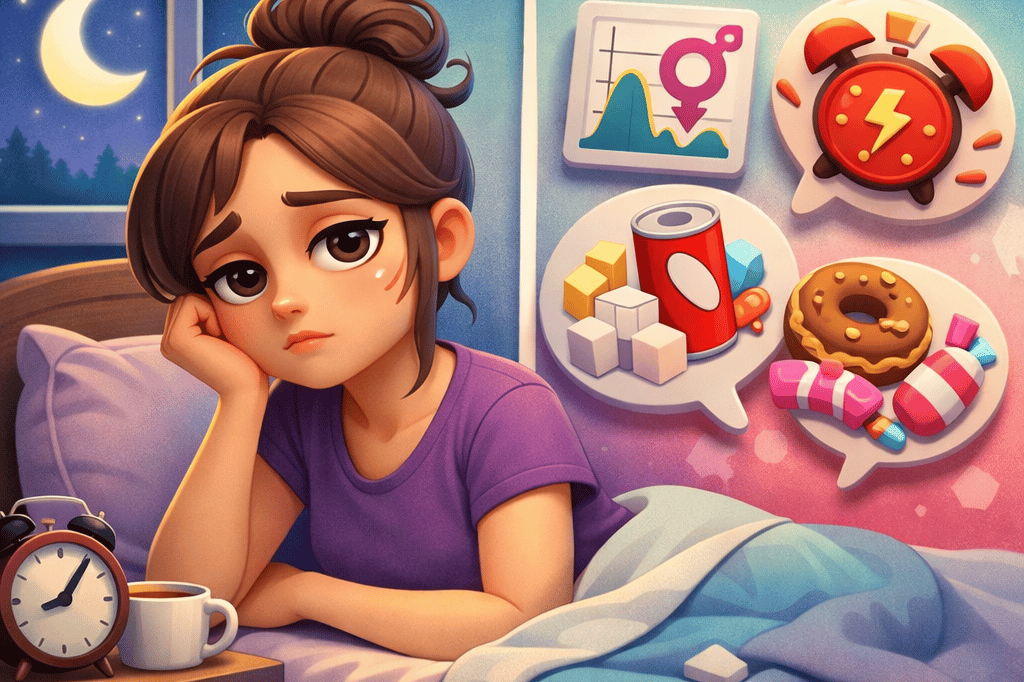
You wake up. You stretch. Maybe you even got a full 7–8 hours of sleep… and yet—you still feel exhausted.
If that sounds familiar, you’re not alone. So many women between 25 and 45 are quietly dealing with this exact issue. And the frustrating part? It doesn’t always make sense. You’re doing what you think you’re supposed to do—getting rest, trying to take care of yourself—but your energy just isn’t there.
Let’s break this down in a way that actually makes sense. No overwhelming science talk. Just real, relatable explanations—and most importantly, real solutions.
First—Let’s Answer the Big Question
Why am I always tired, even after sleeping?
The short answer:
Sleep is only one piece of the energy puzzle.
You can technically “sleep enough” and still feel drained if your body, mind, or hormones are out of sync.
Let’s walk through the most common (and often overlooked) reasons this happens.
1. Your Sleep Might Not Be Quality Sleep
You might be in bed for 8 hours—but that doesn’t mean your body is getting restorative sleep.
What’s happening:
Your body cycles through different sleep stages. The deep stages are where your body repairs, resets hormones, and restores energy.
If those stages are disrupted, you wake up feeling like you barely slept.
Common sleep disruptors:
Scrolling your phone before bed
Stress or racing thoughts
Blood sugar crashes during the night
Alcohol or late-night snacking
Hormonal fluctuations
What helps:
Create a simple wind-down routine (even 20 minutes matters)
Keep your bedroom cool and dark
Try going to bed at the same time each night
Avoid screens 30–60 minutes before sleep
2. Your Hormones Might Be Out of Balance
This is a big one for women in this age range.
Hormones don’t just affect your cycle—they control your energy, mood, sleep, and metabolism.
Key hormones that impact energy:
Cortisol (your stress hormone)
Progesterone (calming, sleep-supporting hormone)
Estrogen (affects mood and vitality)
Thyroid hormones (control metabolism and energy)
Signs hormones could be involved:
You feel wired at night but exhausted during the day
Energy crashes in the afternoon
Mood swings or irritability
Trouble falling or staying asleep
What helps:
Eating regularly (don’t skip meals)
Reducing chronic stress (even small changes matter)
Getting morning sunlight
Supporting your body with balanced nutrition
3. You’re Running on Stress (Even If You Don’t Realize It)
A lot of women are functioning in a constant low-level stress state—and don’t even recognize it anymore.
It’s not always obvious stress. It can look like:
Overthinking
Being “on” all day
Mental load and responsibilities
Constant multitasking
What’s happening:
Your body stays in “fight or flight” mode, pumping out cortisol. Over time, this drains your energy reserves.
So even when you rest… your body doesn’t fully relax.
What helps:
Taking short breaks during the day (even 5 minutes)
Gentle movement like walking or stretching
Breathing exercises (simple but powerful)
Saying no to things that overload your schedule
4. Your Blood Sugar Might Be All Over the Place
This is one of the most overlooked causes of fatigue.
What’s happening:
If you’re eating in a way that causes spikes and crashes in blood sugar, your energy will follow that same rollercoaster.
Signs this could be you:
You feel energized after eating, then crash
You crave sugar or caffeine in the afternoon
You skip meals or eat irregularly
What helps:
Eat balanced meals (protein + healthy fats + carbs)
Don’t skip breakfast
Avoid relying on sugar or caffeine for energy
Snack smart if needed (nuts, yogurt, fruit with protein)
5. You Might Be Dehydrated
This one sounds simple—but it’s surprisingly common.
Even mild dehydration can cause:
Fatigue
Brain fog
Headaches
Low energy
What helps:
Start your day with water before coffee
Keep a water bottle nearby
Add electrolytes if needed
6. Your Body Might Be Missing Key Nutrients
Your body needs certain vitamins and minerals to produce energy properly.
Common deficiencies linked to fatigue:
Iron
Vitamin D
B vitamins
Magnesium
Signs to watch for:
Constant tiredness
Weakness
Difficulty concentrating
Feeling run down
What helps:
Eating nutrient-dense foods
Getting bloodwork done if fatigue is persistent
Supporting your diet with whole, balanced meals
7. You’re Mentally Burned Out
This one doesn’t get talked about enough.
You can feel physically “fine” but completely drained mentally and emotionally.
Signs of burnout:
You feel unmotivated or disconnected
Everything feels like effort
You’re tired even after resting
You don’t feel excited about things you used to enjoy
What helps:
Giving yourself permission to rest without guilt
Reducing unnecessary obligations
Doing things that feel good, not just productive
Talking things out (journaling or with someone you trust)
8. You’re Not Moving Your Body Enough (or You’re Overdoing It)
Energy and movement have a complicated relationship.
Too little movement:
Can make you feel sluggish and low-energy.
Too much intense exercise:
Can actually drain your system—especially if you're already stressed.
What helps:
Find a balance
Walk daily
Add gentle workouts (yoga, Pilates, strength training)
Listen to your body instead of pushing through exhaustion
So… What Can You Do Starting Today?
Let’s simplify this. You don’t need to overhaul your life overnight.
Start with these small, realistic steps:
1. Fix your morning
Get sunlight within 30 minutes of waking
Drink water first thing
Eat a balanced breakfast
2. Support your energy during the day
Eat regularly
Take short breaks
Move your body a little
3. Create a simple night routine
Dim the lights
Get off your phone
Do something calming (reading, stretching, shower)
4. Check in with your stress
Ask yourself: Am I doing too much?
Build in moments of rest
The Truth Most People Don’t Tell You
Feeling tired all the time isn’t something you just have to “push through.”
It’s your body trying to tell you something.
And the good news? Once you understand what’s going on, you can actually start to fix it.
Finally,
If you’ve been wondering why your energy feels inconsistent—or why you’re constantly tired even after sleeping—there’s nothing “wrong” with you.
Your body just needs support in the right areas.
Start small. Stay consistent. And most importantly, pay attention to how you feel.
Because when your energy comes back?
Everything else in your life starts to feel easier.
© 2026. Happy & Human. All rights reserved.
Health Disclaimer
Happy & Human has content that is health-oriented and may contain statistical information. This information is not professional or medical advice. The information on this website is accurate to the best of my knowledge. Readers act at their own risk; I am not liable for any decisions made based on the content of this blog. I reserve the right to edit, delete, or manage blog content at my discretion. They are opinions only. Users should understand that the information provided does not guarantee any specific results or outcomes. Consult a health care professional for any medical advice or treatment.
Curious about the products and little extras I genuinely love? These are all things I’ve personally used and truly recommend. No fluff, just favorites! Click on the “Happy Picks” button below to take a look.
Affiliate Disclaimer
Some of the links on Happy & Human are affiliate links, which means I may earn a small commission if you choose to make a purchase, at no extra cost to you. I only share products I genuinely use, love, or believe can support your wellness journey. Thank you for supporting this space and helping me make sure everyone can get this content.