Your Zzz’s Are Important: How to Sleep Better (Plus Products That Actually Help)
Struggling with sleep? Learn how to sleep better with simple tips, healthy habits, and sleep products that actually work to improve sleep quality and help you wake up refreshed.
Let’s be honest—most of us don’t get enough sleep.
We stay up later than planned, scroll “just five more minutes,” watch one more episode, or lie in bed thinking about everything we need to do tomorrow. Then morning comes way too fast, and suddenly we’re tired, cranky, and wondering why coffee isn’t working like it used to.
If this sounds familiar, you’re not alone.
Sleep problems are incredibly common, but here’s the thing: sleep isn’t optional. It’s not a reward for finishing your to-do list or something you can skip without consequences. If you’re wondering how to sleep better, the good news is that small changes—plus the right sleep products—can make a huge difference.
Let’s break it all down in a simple, realistic way.
Why Sleep Is Such a Big Deal
Sleep is when your body and brain reset. While you’re sleeping, your body is busy doing important work you don’t see.
During a good night’s sleep:
Your brain processes memories and information
Your muscles repair themselves
Hormones balance out
Your immune system gets stronger
Stress levels drop
So, when you cut sleep short, you’re basically skipping maintenance mode. And over time, that catches up to you.
What Happens When You Don’t Get Enough Sleep?
Missing a little sleep here and there happens. But consistently poor sleep can affect almost every part of your life.
Short-Term Effects
After just a night or two of bad sleep, you might notice:
Brain fog
Trouble focusing
Low energy
Mood swings
Slower reaction times
Cravings for sugar and carbs
That’s why bad sleep can make everything feel harder than it needs to be.
Long-Term Effects
If poor sleep becomes a habit, it can lead to:
Weakened immune system
Increased stress and anxiety
Weight gain
Higher risk of heart problems
Hormonal imbalance
Burnout
In short, sleep health affects overall health.
Why It’s So Hard to Sleep in the First Place
If you’re searching for how to sleep better, it’s probably because falling or staying asleep isn’t easy for you—and that’s not your fault.
Modern life works against good sleep.
Some common sleep disruptors include:
Too much screen time before bed
Stress and overthinking
Caffeine too late in the day
Inconsistent sleep schedules
Noise, light, or an uncomfortable bed
Even if you’re tired, your brain may not get the message that it’s time to shut down.
How to Sleep Better Starts With Better Sleep Habits
Before we talk about sleep products, let’s cover the basics. No product can fully fix poor sleep habits—but when habits and products work together, that’s when real improvement happens.
Here are a few simple sleep tips that actually help:
Go to bed and wake up at the same time every day
Stop scrolling at least 30–60 minutes before bed
Keep your bedroom cool, dark, and quiet
Avoid caffeine in the late afternoon and evening
Create a relaxing bedtime routine
Even one or two of these changes can improve sleep quality.
Sleep Products That Can Help You Sleep Better
Now let’s talk about the fun part—sleep products that actually work.
Not every product is magic, but the right ones can seriously improve comfort, relaxation, and sleep consistency.
1. A Comfortable Mattress (This One Matters a Lot)
If your mattress is old, sagging, or uncomfortable, it could be ruining your sleep without you realizing it.
A good mattress helps with:
Proper spinal alignment
Reduced tossing and turning
Less back and neck pain
Better overall comfort
If you wake up sore or stiff, your mattress might be the problem—not your sleep habits.
What to look for:
Medium or medium-firm support
Pressure-relieving materials
Breathable design to prevent overheating
Upgrading your mattress is one of the biggest steps you can take to improve sleep quality.
2. The Right Pillow for Your Sleep Style
Pillows are underrated when it comes to better sleep.
The wrong pillow can strain your neck and shoulders all night, even if your mattress is great.
Different sleepers need different pillows:
Side sleepers: thicker pillows
Back sleepers: medium support
Stomach sleepers: thinner pillows
Memory foam, adjustable pillows, and cooling pillows are all popular options—and for good reason.
3. Weighted Blankets for Deeper Relaxation
Weighted blankets have become incredibly popular, especially for people who struggle with anxiety or restless sleep.
They work by applying gentle pressure, which can:
Calm your nervous system
Reduce stress
Help you fall asleep faster
Promote deeper sleep
If your mind races at night, a weighted blanket can feel surprisingly comforting.
4. White Noise Machines and Sound Sleep Aids
If small noises wake you up—or keep you from falling asleep—a white noise machine can be a game changer.
These devices help by:
Masking background noise
Creating a steady sound environment
Reducing nighttime disruptions
Many people sleep better with white noise, rain sounds, or soft ambient audio.
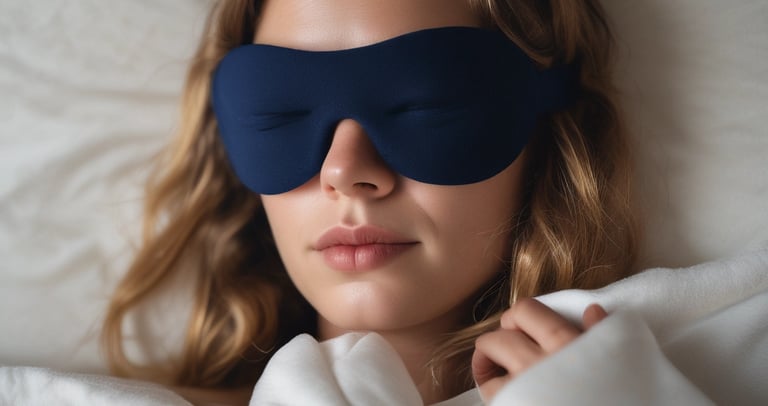
5. Blackout Curtains and Sleep Masks
Light tells your brain it’s time to wake up. Even small amounts of light can mess with your sleep cycle.
Blackout curtains or sleep masks can:
Improve melatonin production
Help you fall asleep faster
Prevent early morning wake-ups
They’re especially helpful if you’re a light sleeper or work odd hours.
6. Cooling Sleep Products
Overheating is a very common sleep problem.
Cooling sleep products include:
Cooling mattress toppers
Breathable sheets
Cooling pillows
Moisture-wicking pajamas
Keeping your body slightly cool helps you stay asleep longer and reach deeper sleep stages.
7. Sleep Supplements (Use Wisely)
Some people use supplements to support sleep, such as:
Melatonin
Magnesium
L-theanine
Herbal sleep blends
These can be helpful for short-term use, but it’s always smart to check with your health care provider—especially if you use them regularly.
Build a Sleep Setup That Works for You
Learning how to sleep better isn’t about doing everything perfectly. It’s about finding what works for you.
A great sleep setup usually includes:
A comfortable mattress
A supportive pillow
A calm, dark room
Consistent sleep habits
Reduced stress before bed
When your sleep environment supports rest, falling asleep becomes easier and more natural.
What Happens When You Finally Start Sleeping Better
Once your sleep improves, you’ll probably notice changes pretty quickly.
Better sleep often leads to:
More energy during the day
Improved focus and productivity
Better mood
Less stress
Fewer cravings
Stronger overall health
Sleep doesn’t just help you get through the day—it helps you enjoy it.
Better Sleep Is Worth the Effort
If you’ve been searching for how to sleep better, start small. You don’t need to overhaul your entire life overnight.
Focus on:
One or two better habits
Improving your sleep environment
Adding sleep products that actually support rest
Your sleep affects everything—your health, your mood, your energy, and your quality of life. When you protect your zzz’s, everything else tends to improve too.
Because better sleep isn’t a luxury—it’s a necessity.!
© 2026. Happy & Human. All rights reserved.
Health Disclaimer
Happy & Human has content that is health-oriented and may contain statistical information. This information is not professional or medical advice. The information on this website is accurate to the best of my knowledge. Readers act at their own risk; I am not liable for any decisions made based on the content of this blog. I reserve the right to edit, delete, or manage blog content at my discretion. They are opinions only. Users should understand that the information provided does not guarantee any specific results or outcomes. Consult a health care professional for any medical advice or treatment.
Curious about the products and little extras I genuinely love? These are all things I’ve personally used and truly recommend. No fluff, just favorites! Click on the “Happy Picks” button below to take a look.
Affiliate Disclaimer
Some of the links on Happy & Human are affiliate links, which means I may earn a small commission if you choose to make a purchase, at no extra cost to you. I only share products I genuinely use, love, or believe can support your wellness journey. Thank you for supporting this space and helping me make sure everyone can get this content.